Planning a trip to Tunisia and thinking about renting a car? Good call — with your own vehicle, you can move between Tunis, the coastal towns, and even the edge of the Sahara on your own schedule. Here’s everything you need to know before you book.
What documents do you need? You’ll need a valid passport (with at least six months’ validity remaining) and a valid driving license from your home country, held for at least one year. Most car rental companies in Tunisia set the minimum age at 21, though this can vary slightly by vehicle category — younger drivers may face a small surcharge. If your license isn’t printed in Latin script (for example, Arabic, Chinese, or Japanese), it’s strongly recommended to bring an International Driving Permit (IDP) alongside it, since rental agents and police checkpoints will find it easier to verify. For most European, UK, US, Canadian, and Australian license holders, an IDP isn’t strictly mandatory for short stays, but carrying one is a simple way to avoid any confusion.
How much does it cost? Prices vary depending on the car category. As a general guide, economy cars tend to be the most budget-friendly option and are perfect for city driving or short getaways. SUVs cost more but offer extra comfort and are a better fit if you’re planning to explore rural roads or head toward destinations like Tozeur or Douz. Luxury vehicles sit at the top end of the range, ideal if comfort and style matter as much as getting from A to B. Rates also shift with the season — expect higher prices during summer and holiday periods, so booking ahead is always a smart move.
Deposit and insurance — what’s actually covered? When you pick up your car, you’ll typically be asked for a security deposit, refunded when the car is returned in the same condition. Basic insurance (covering third-party liability and often collision damage) is usually included in the rental price, but coverage details can differ between agencies. It’s worth asking specifically what’s included versus what’s optional — things like full damage waivers or theft protection are sometimes offered as add-ons rather than included by default. Always check the terms before signing, and don’t hesitate to ask questions if anything is unclear.
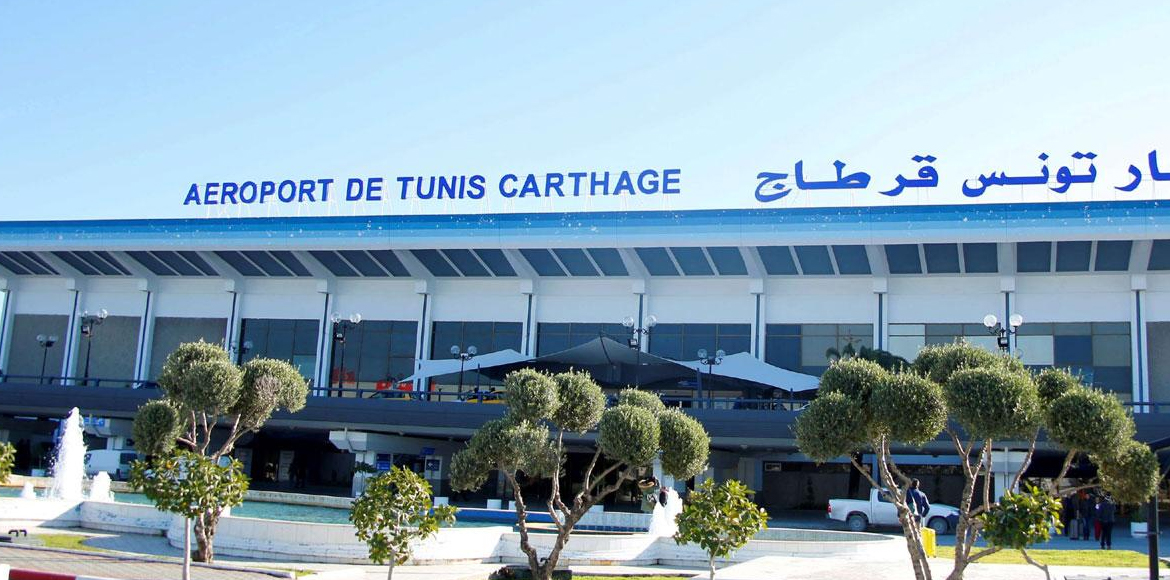
Airport pickup vs. city agency pickup Tunisia has several major entry points — Tunis-Carthage, Enfidha-Hammamet, Djerba-Zarzis, and Monastir. Picking up your car directly at the airport is the most convenient option if you want to hit the road right away, saving you the hassle of arranging transport into the city first. Alternatively, picking up from a city agency can sometimes offer more flexibility on vehicle choice or pricing, especially if you’re staying in town for a day or two before starting your road trip. Either way, it’s worth confirming pickup hours in advance, since airport counters may have different opening times than city branches.
Common mistakes tourists make A few small oversights can turn into real headaches. Booking without checking what’s included in the price — insurance, mileage limits, or extra driver fees — often leads to surprises at pickup. Some travelers also forget that a rental car in Tunisia generally can’t be taken across the border into a neighboring country. Arriving without a printed or digital copy of your license and passport, or forgetting an IDP when needed, can also slow things down at the counter. Lastly, booking last-minute during peak season often means limited vehicle choice and higher prices — reserving a few weeks ahead usually pays off.
Renting a car in Tunisia is a straightforward process once you know what to expect. With the right documents in hand and a clear idea of what your rental includes, you’ll be ready to hit the road and explore everything the country has to offer — from the medinas of Tunis to the beaches of Djerba.